Waterproof Hiking Boots With Latest Tech (2026 Picks)
Author:Andy
|
Released:January 19, 2026
Ever finished a hike with soggy, heavy socks and wondered why you paid $200 for waterproof gear? Most of us have been there. You buy the boots, step in one puddle, and suddenly your feet feel like they're in a swamp.
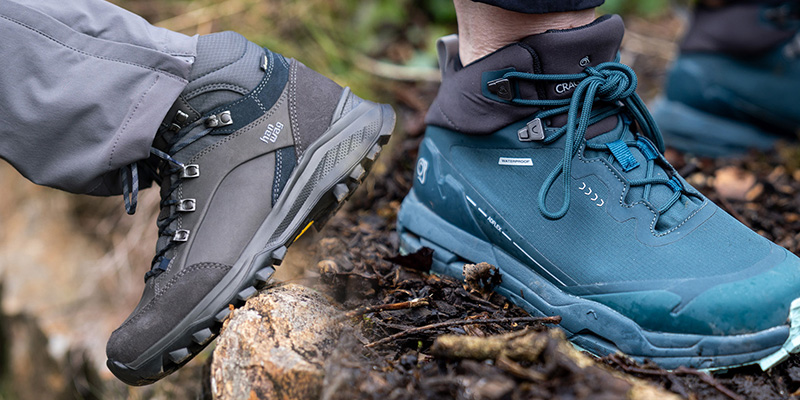
In 2026, the gap between the feel of cheap plastic and actual performance has closed. New materials finally let sweat out while keeping rain away. If you're still wearing those clunky, non-breathable clunkers from five years ago, you're working twice as hard for half the comfort. Let's look at how to get the best value for your money and keep your feet dry for miles.
Why Most Waterproof Boots Fail (And How 2026 Tech Is Different)
The old problem with waterproof hiking boots was simple: they were basically rubber buckets. They kept the rain out, but they also trapped your sweat inside. By noon, your feet were wet anyway, just from the inside out.
The latest 2026 models use expanded Polyethylene (ePE) membranes. Unlike older versions, these are thinner and lighter and don't use chemicals (PFAS) forever. According to the Environmental Protection Agency (EPA), moving away from these chemicals is a major health and environmental win.
For you, this means breathable waterproof boots that actually work. These new membranes have billions of tiny pores that are too small for water drops to enter but large enough for sweat vapor to escape. When you're shopping, look for labels that mention PFC-free or ePE to ensure you're getting the newest, most breathable tech.
The Best Waterproof Hiking Boots For Long Distances
If you're planning a multi-day trip, you need long-distance hiking boots that won't quit on day three. The biggest mistake people make is buying boots that are too stiff. In 2026, the trend has shifted toward adaptive midsoles.
These midsoles use a blend of TPU (durable plastic) and EVA (soft foam). This gives you the "bounce" of a running shoe but the support of a traditional boot.
What to look for in long-distance gear:
- Weight: A pair should weigh less than 2.5 lbs. Every extra ounce on your feet feels like a pound in your pack after ten miles.
- Vibram Megagrip: This is still the gold standard for outsoles. It sticks to wet granite like glue.
- Gusseted Tongues: Ensure the boot's tongue is sewn to the sides. If it isn't, water will leak in through the lace holes the moment you step in a puddle.
Investing in high-quality long-distance hiking boots saves you money in the long run. Cheap boots lose their cushion after 100 miles, while pro-level pairs can easily go 500 to 800 miles.
Waterproof Hiking Shoes Vs. Boots: Which Saves You More?
You don't always need a full boot. In fact, waterproof hiking shoes (the low-cut version) are often a better deal for 80% of hikers.
Choose waterproof hiking shoes if:
- You mostly stay on marked trails.
- You want to save $30–$50 on your purchase.
- You prefer a lighter feel and faster pace.
Choose waterproof hiking boots if:
- You carry a pack heavier than 30 lbs.
- You hike in mud, snow, or scree (loose rocks).
- You need the extra brush protection for your ankles in overgrown areas.
The National Park Service emphasizes that the right footwear is a core safety requirement. If you're hiking in the Pacific Northwest or the UK, go with the boot. If you're in the dry Southwest but expect occasional stream crossings, the shoe is your best friend.
How To Spot A Fake Waterproof Claim
Not all waterproof hiking boots are created equal. Some brands spray a chemical coating (DWR) on the outside and call it a day. This wears off in three weeks.
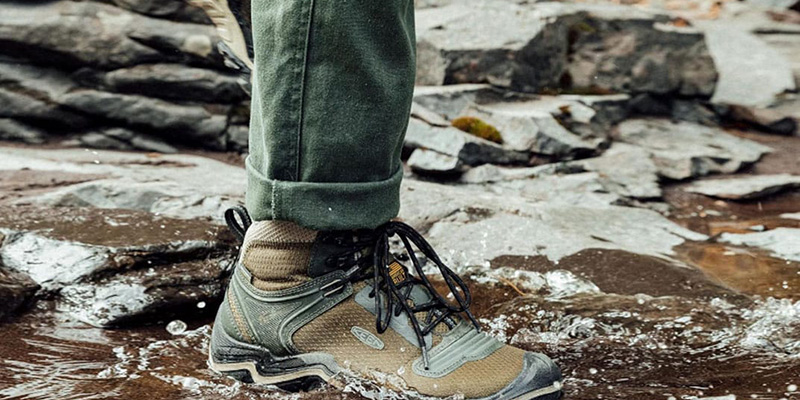
To get your money's worth, do the Lining Test. Reach inside the boot. You should feel a separate fabric bootie or liner. If the waterproofing is just a coating on the outer leather, put it back on the shelf. You want a built-in membrane like Gore-Tex, Event, or a high-quality in-house brand like BD.dry or Keen. Dry.
Also, check the seams. If you see messy glue or loose threads near the sole, that's where the water will get in first. A high-quality boot will have reinforced stitching and often a rubber rand (a rubber bumper) around the base to protect the waterproof layer from sharp rocks.
Maintenance: Make Your Boots Last 5+ Years
The quickest way to waste money is to let your waterproof hiking boots dry out and crack.
- Never dry them by a fire: High heat ruins the waterproof membrane and melts the glue holding the sole on. Air-dry them at room temperature.
- Clean the mud off: Mud sucks the moisture out of leather and fabric, making it brittle. A quick rinse with a garden hose after a hike adds years to the boot's life.
- Re-treat the surface: Once water stops beading on the surface, apply a spray-on water repellent. This keeps the outer layer from becoming heavy and wetting out, allowing the inner membrane to continue Breathing.
Final Verdict: Is The 2026 Tech Worth It?
If you hate the heavy, clunky feel of old-school leather, then yes, the new generation of breathable, waterproof boots is a game-changer. You get the protection of a boot with the weight of a sneaker.
Before you buy, think about your typical trail. Do you really need a heavy boot, or would waterproof hiking shoes do the trick? Take a look at the latest offerings from brands like Salomon, Hoka, and La Sportiva. Compare the weights and the membrane types.
You can find a wide range of these new models at major outdoor retailers or specialized gear sites. It's worth looking at the latest user reviews to see how these new ePE membranes hold up in real-world mud. Your feet deserve to stay dry—see which tech fits your feet best!
Related Posts

Guides and Tips
How To Stay Energized During A Long Mountain Hike
Outdoor Gear
How to Choose the Best Water Bottles for Hiking and Travel
Guides and Tips
From Free to Pro: 13 Best GPS & Navigation Tools for Hikers
Guides and Tips
Sunscreen While Hiking: The Right Way to Protect Your Skin Outdoors
Guides and Tips
Best Lightweight Hiking Gear For Long-Distance Trails With 17 Smart Picks That Stay Comfortable

Activities